
Third-Party Logistics (3PL): How to Scale Your Logistics Efficiently
Managing logistics across the entire supply chain is becoming more complex as markets go global. Many companies don’t have the resources to handle transportation, warehousing, and fulfillment on their own.
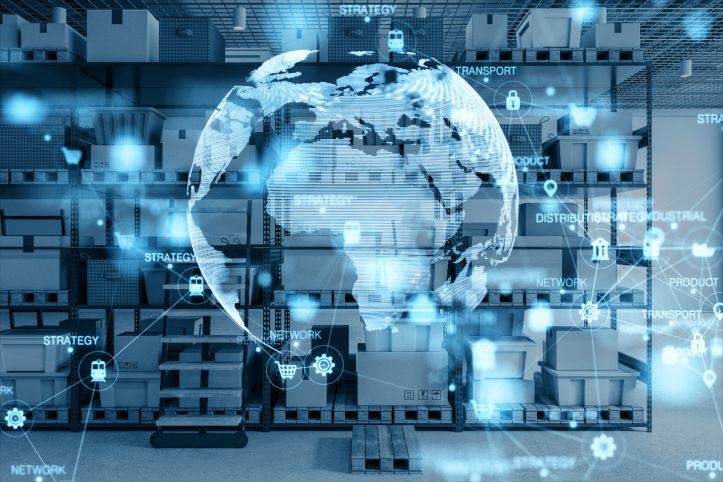
This is where third-party logistics (3PL) providers come in.
By outsourcing logistics to a 3PL provider, businesses can stay flexible, reduce costs, and focus on what they do best. In this guide, we’ll explain what 3PL is, how it works, and how to make the most of it.
What is Third-Party Logistics (3PL)?
Third-party logistics (3PL) refers to outsourcing logistics operations to an external provider. A 3PL provider manages services such as transportation, warehousing, inventory management, and order fulfillment.
Depending on the agreement, 3PL providers can cover:
- Storage and warehousing
- Transportation and freight management
- Inventory tracking
- Order fulfillment and distribution
Some companies use 3PL for a single function, while others outsource their entire logistics operation.
How 3PL Works
A 3PL provider acts as an extension of your business. Instead of building logistics infrastructure in-house, you rely on an external partner to handle operations.
Typical 3PL setups:
- Combine multiple logistics services under one contract
- Integrate with your internal systems
- Provide end-to-end supply chain support
- Use data and automation to improve efficiency
Modern 3PL companies go beyond simple transportation. They improve workflows and visibility, helping businesses scale faster.
Types of 3PL Providers
Not all 3PL providers offer the same level of service. You can come across two types of providers:
Asset-Based 3PL Providers
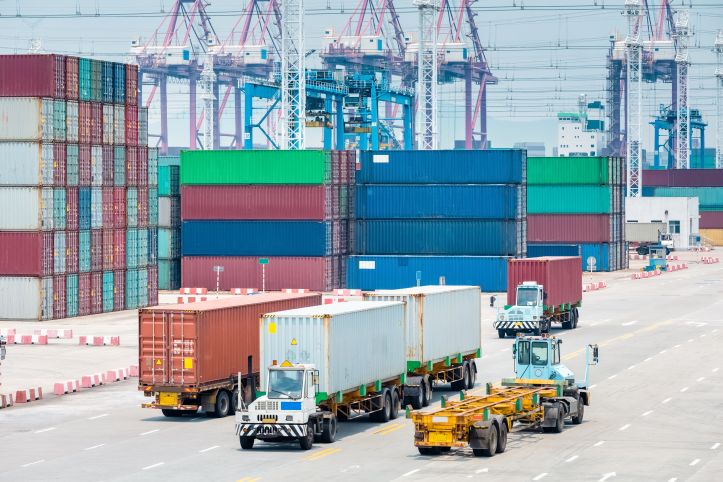
An asset-based 3PL provider owns and operates its own logistics infrastructure, such as trucks, warehouses, and related equipment. This means they handle transportation using their own fleet rather than depending heavily on external carriers.
Because they control their own assets, these providers typically have more direct oversight of day-to-day operations. Companies working with a 3PL that operates its own fleet often experience more consistent service, improved shipment visibility, and fewer delays.
Broker-Based (Non-Asset) 3PL Providers
A broker-based or non-asset logistics provider does not own physical logistics assets like trucks or warehouses. Instead, they work as intermediaries, connecting shippers with a wide network of third-party carriers.
In the comparison between asset-based vs non-asset logistics, broker-based providers are especially valued for their flexibility. They can quickly access available capacity across multiple carriers, making them a strong choice for businesses with variable or seasonal shipping demand.
How to Choose the Right 3PL Provider
Selecting the right 3PL provider is critical to secure ongoing success. Focus on these key factors:
Technical Capabilities
Look for providers that use modern systems such as a WMS, live tracking tools, and load optimization tools.
Operational Expertise
Your 3PL provider should handle your specific type of goods efficiently, whether perishable, oversized, or hazardous.
Flexibility
Your logistics needs will evolve. Choose a provider that can scale with you.
Global vs Local Reach
Global 3PL providers support international shipping across multiple modes. Local providers offer better knowledge of regional markets and regulations.
Benefits of 3PL
Working with a 3PL provider brings several strategic advantages that go beyond simple logistics outsourcing:
Economies of scale and scope
By leveraging established networks of warehouses, fleets, and transport partners, 3PL providers can reduce overall logistics costs and improve operational efficiency. Depending on their setup, they may be asset-heavy or technology-driven, which influences how these efficiencies are achieved.
Better coordination and service quality
Experienced 3PL providers are skilled in managing complex logistics flows across multiple stakeholders. This coordination helps ensure smoother movement of goods, fewer disruptions, and more reliable delivery performance, which ultimately improves customer satisfaction.
Reduced capital investment
Outsourcing logistics eliminates the need for large upfront investments in infrastructure such as warehouses, trucks, or handling equipment. Instead, businesses convert fixed costs into more flexible operational expenses, reducing financial risk and improving cash flow.
Focus on core business activities
By handing over logistics operations to a specialized partner, companies can focus their internal resources on product development, sales, and overall business growth rather than day-to-day supply chain management.
Where 3PL Providers Often Lose Money
Even with a reliable 3PL provider, many companies struggle with one hidden inefficiency: poor load planning.
In practice, this often leads to:
- Partially filled containers or trucks
- Higher transportation costs per shipment
- Inefficient communication between shippers and 3PL partners
- Longer loading times in warehouses
These issues are especially common when planning is done manually or with basic tools like spreadsheets.
How EasyCargo Supports 3PL Efficiency
This is where specialized tools like EasyCargo come into play.
Instead of relying on guesswork, companies and 3PL providers can plan shipments visually and accurately.
With EasyCargo, you can:
- Create realistic 3D load plans for containers and trucks
- Optimize space utilization before shipping
- Share clear loading instructions with warehouse teams or partners
- Reduce errors and unnecessary costs
For businesses working with third-party logistics (3PL), this means better coordination, faster operations, and more predictable shipping costs.
Final Thoughts
Third-party logistics (3PL) is more than just outsourcing transportation or warehousing. It is a strategic approach to building a more flexible and scalable supply chain.
By working with the right 3PL provider, companies can simplify logistics operations, improve efficiency, and adapt more easily to changing market demands. This allows internal teams to stay focused on core business priorities while logistics operations remain in expert hands.
To further improve performance, many companies combine 3PL services with modern logistics technologies such as warehouse management systems and container loading calculators. These tools help reduce inefficiencies, improve space utilization, and make shipping more predictable and cost-effective.